Category: Student Spotlight

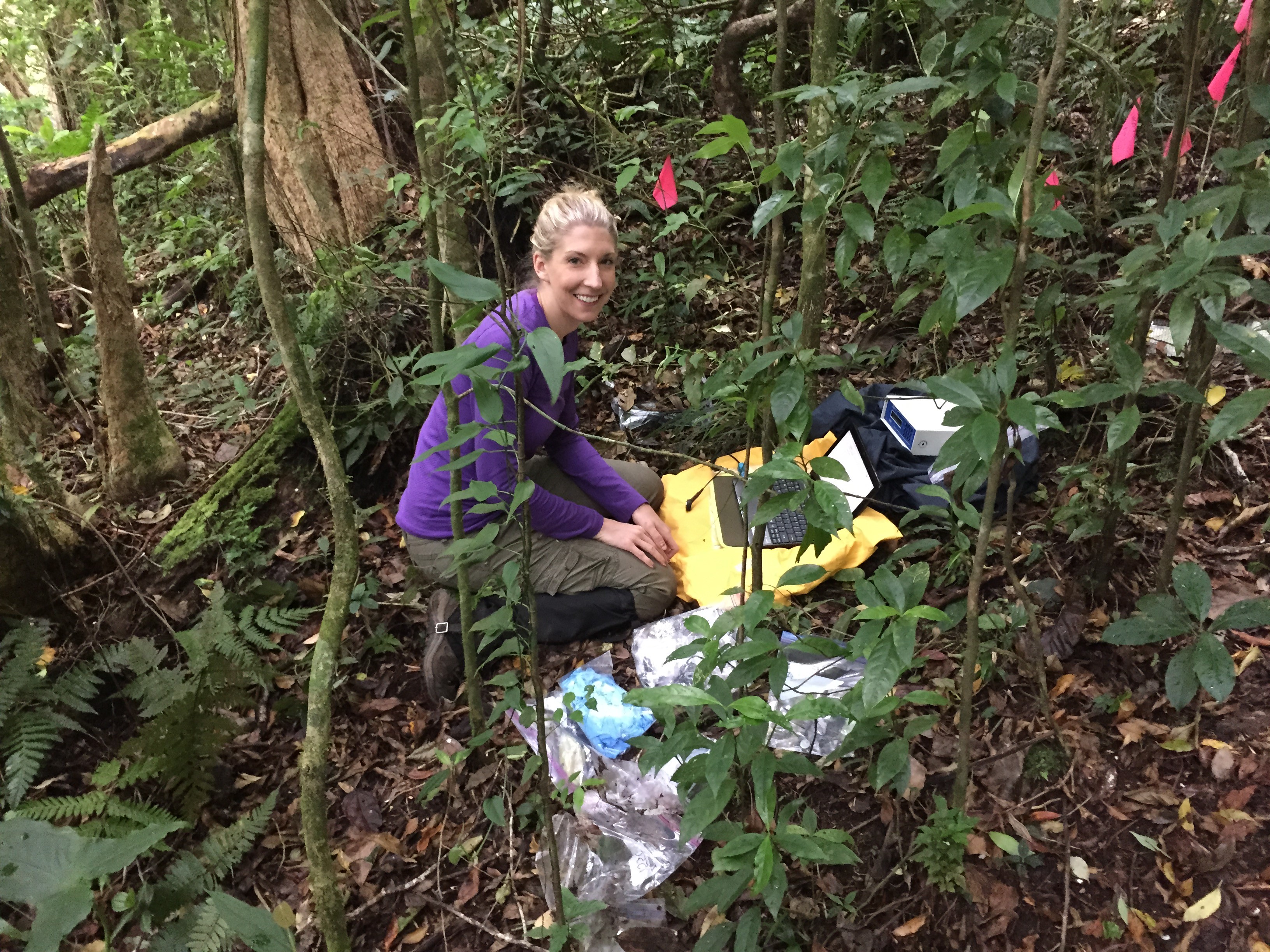
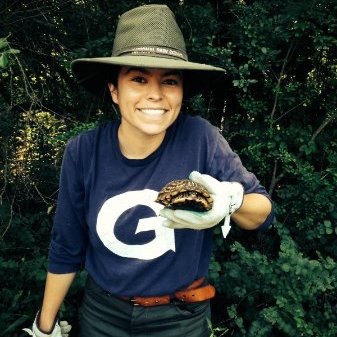
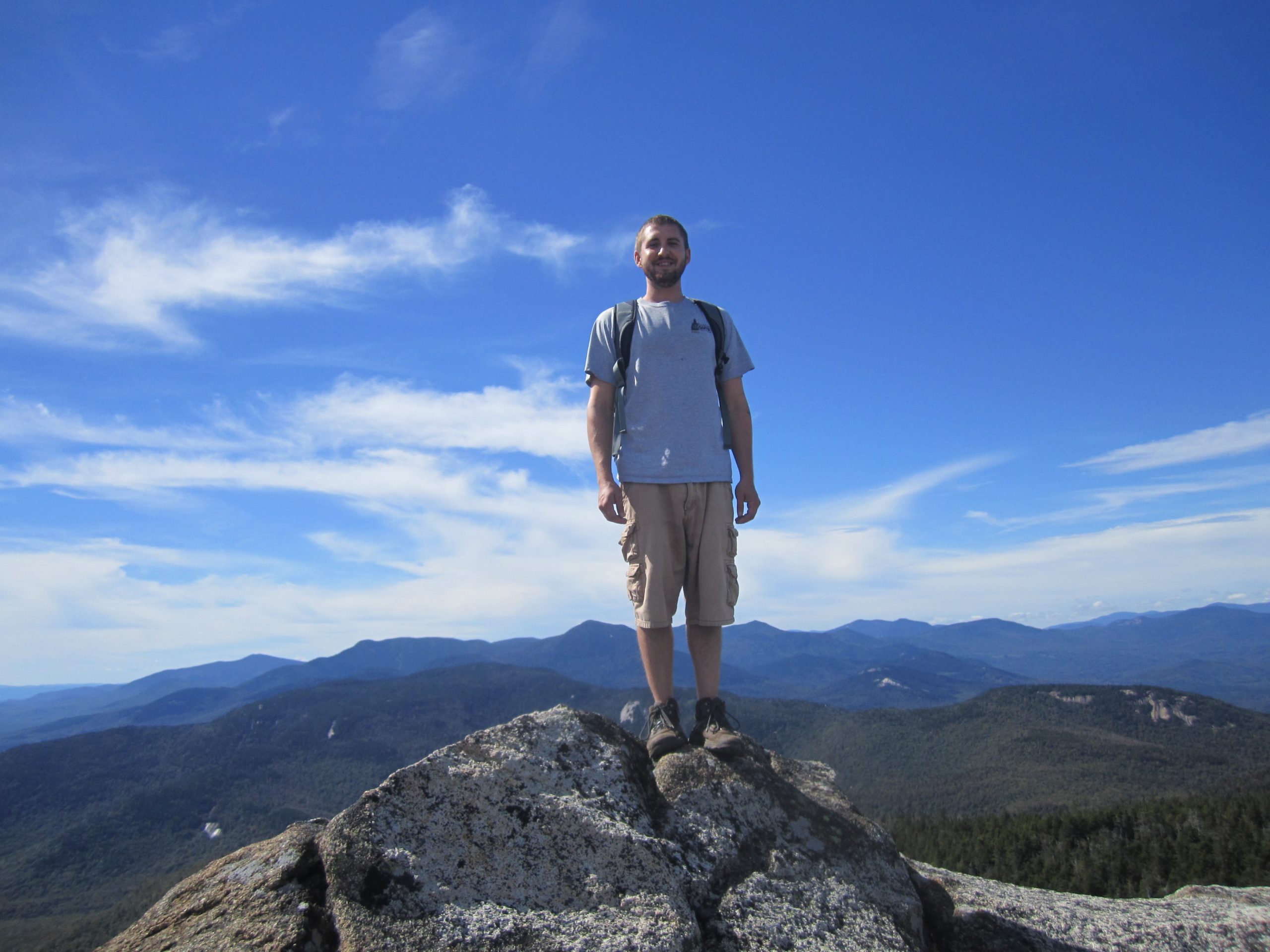
Eric Morrison

MORRISON

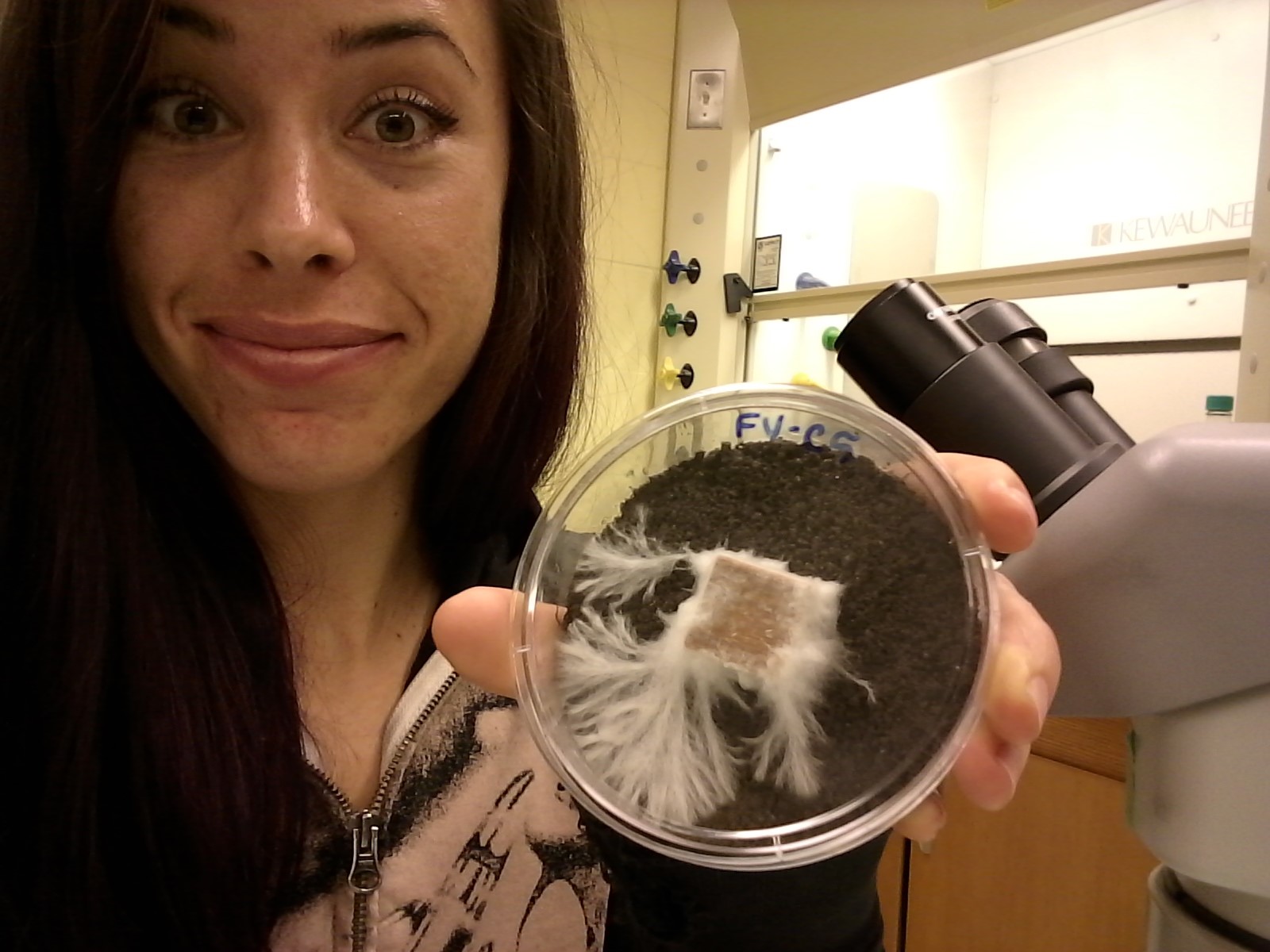
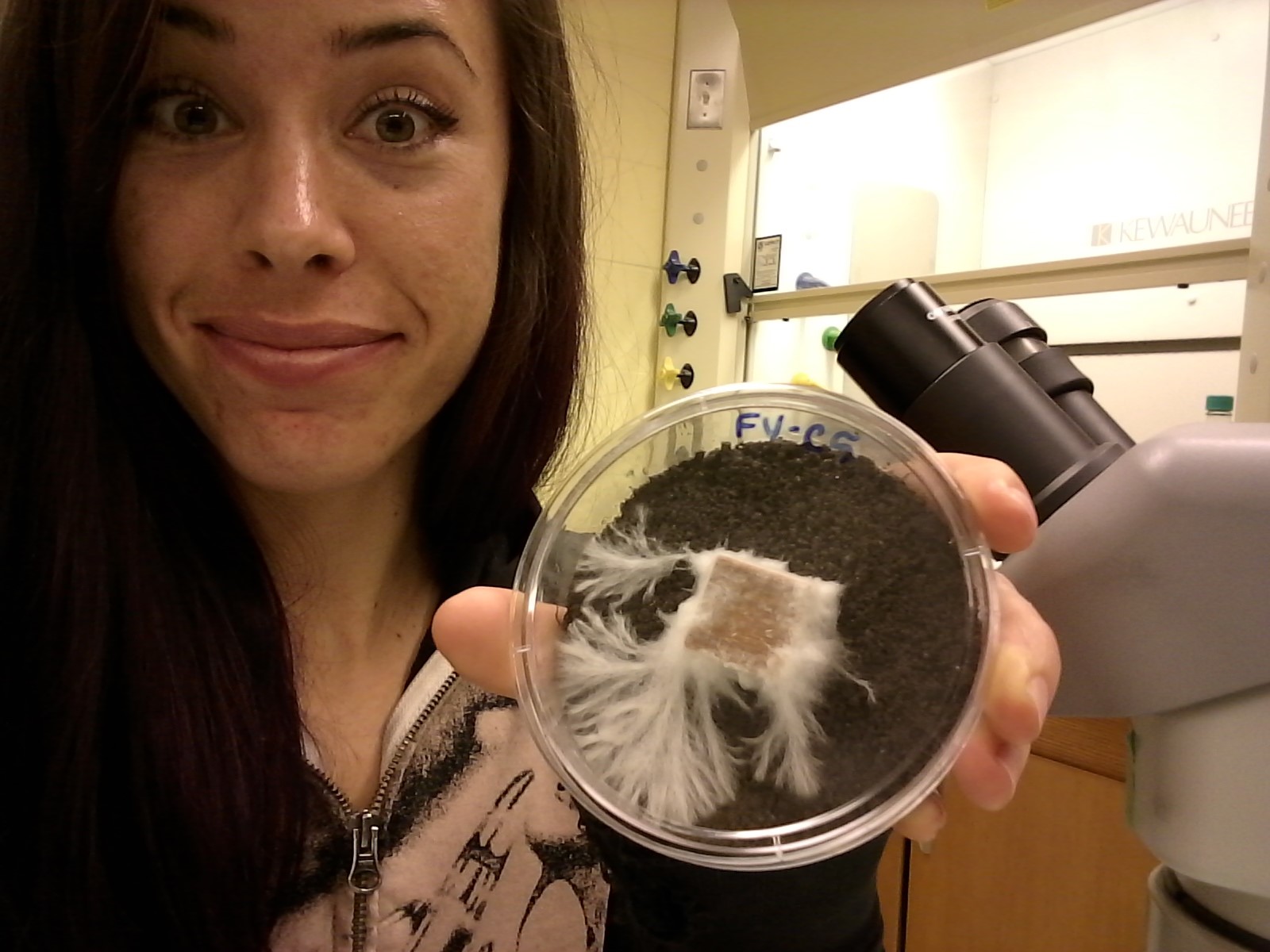
Eric Morrison grew up in Claremont, New Hampshire, which has the peculiar distinction of being NH’s smallest city. Eric earned a B.S. Environmental Conservation with a focus in Conservation Biology from the University of New Hampshire, May 2009. He also holds a M.S. Microbiologyfrom University of New Hampshire. His thesis research was published in Morrison EW, Frey SD, Sadowsky JJ, van Diepen LTA, Thomas WK, Pringle A. 2016. Chronic nitrogen additions fundamentally restructure the soil fungal community in a temperate forest. Fungal Ecology, 23: 48-57. Eric is currently a Ph.D. Candidate in Earth and Environmental Science at the University of New Hampshire, working with Serita Frey.

Eric’s research site is at the Harvard Forest LTER in central Massachusetts, there are two long-term experiments where forest soil was heated 5°C or fertilized with N over the course of ten to twenty years. He used these manipulations to predict how leaf litter decomposition and fungal communities of litter might change in the future. He is also measuring growth and respiration rates and performing whole-genome sequencing of various species of fungi isolated from Harvard Forest to understand how temperature affects the efficiency of fungal growth (i.e. the balance between biomass and CO2 production) and whether there are predictable genomic controls on fungal growth efficiency.

How did you become a mycologist?

It kind of happened by accident. In undergrad my first love was evolutionary biology. I became really interested in microbiology after taking a class in microbial ecology and evolution with Vaughn Cooper (now at the University of Pittsburgh) who, as an alum of Richard Lenski’s lab, is an expert in experimental evolution. At the same time, I knew I wanted to work in a field that could impact the environment in positive ways, and was inspired by some of the PhD students in Serita Frey’s lab at UNH studying how soils and soil microbes regulate and interact with climate. It turns out that fungi are the natural intersection of all these interests – they have amazing biology in their own right, but are also hugely important for regulating ecosystem dynamics, especially in forests.

Who is your mycology role model?

I have to say Anne Pringle. I’ve worked with her throughout my MS and PhD career, and I’m always inspired by her passion for clear, charismatic communication about fungi.

What is your favorite mushroom/fungus, and what do you like about it?

Russula vinacea was something of an obsession for me while I was working on my MS degree. It turns out to have an interesting response to N fertilization, has a visually pleasing dusty wine-purple color, and was a bit tricky to identify because of misidentification/conflation with R. atropurpurea in species descriptions and GenBank.

What is your favorite fact about fungi?

I think my favorite thing about fungi is that there are so many that haven’t been described. It’s daunting to think about the challenges this poses for understanding the ecology and the functioning of communities, but at the same time there is this mysterious world of potential just waiting to be explored.

Do you have any funny or interesting stories about field work?

Rural Massachusetts is a pretty tame place to work so I haven’t experienced any dramatic animal encounters, but I have had some funny human-related interactions during fieldwork. We measure soil C stocks in our lab by coring soil with a gas-powered posthole digger fitted with an auger corer. It’s pretty unwieldy and requires two people to run, but we can often drill through pieces of granite and other obstacles that would otherwise make getting accurate measurements difficult. Several years ago I was working with a research scientist in our lab to sample for a group of visiting scientists. While we ran the auger, three professors laid directly next to the plots we were working in chatting and periodically putting small bits of soil in their mouths to get “soil texture by mouth-feel” measurements! No hard feelings obviously, but it was pretty funny and kind of felt like a soil science-Monty Python skit.

What do you like to do in your free time? What are your hobbies?

In my free time I try to keep up my musical skills by practicing (drums primarily) and listening to music. I also love cooking while listening to political podcasts – to the point where my partner tells me I might have a podcast problem.
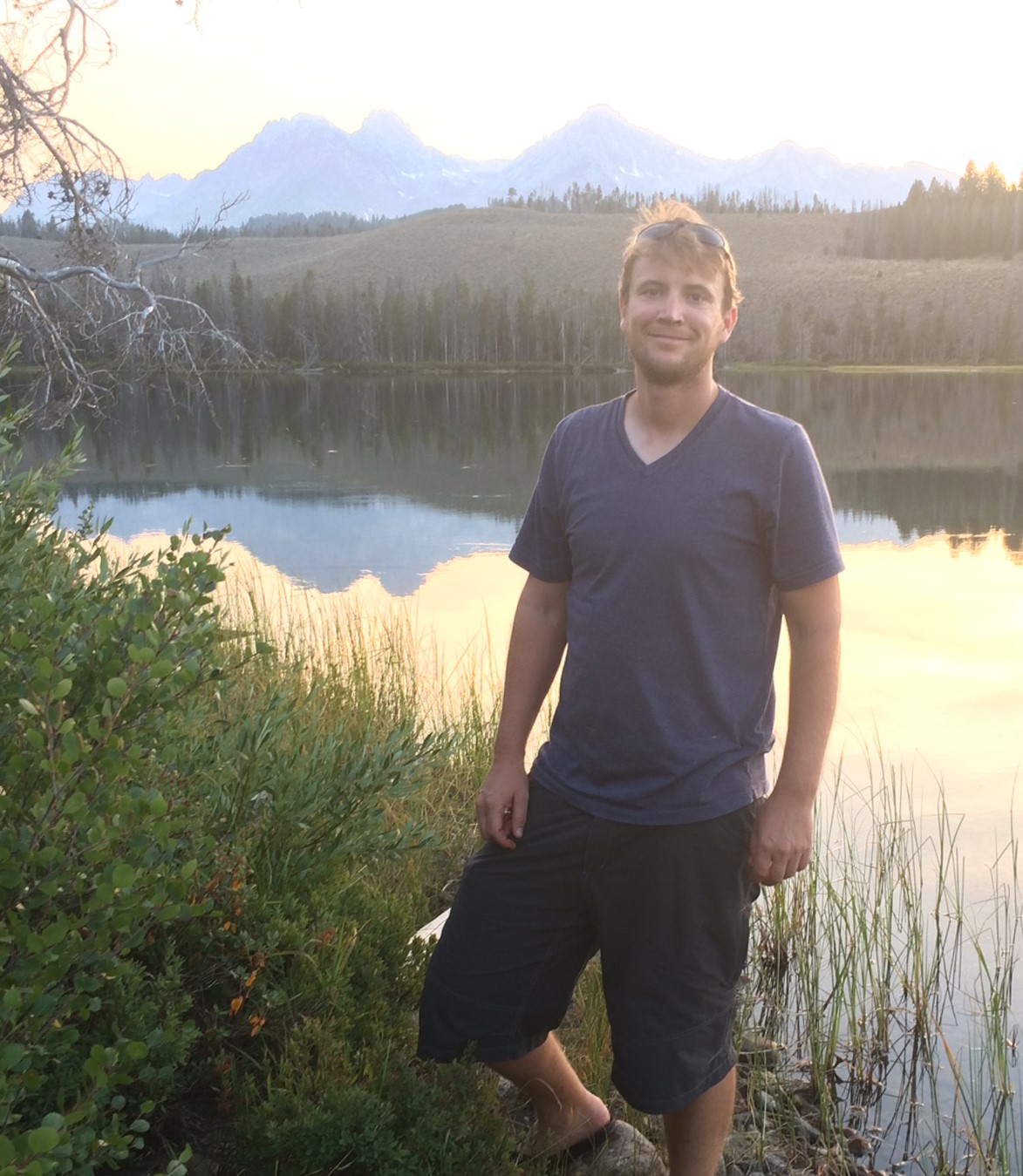
Edward Barge

BARGE

Edward Barge is from Bozeman, Montana. Ed received a BS in biology, and MS in plant science under Dr. Cathy Cripps at Montana State University, in Bozeman. His Master’s thesis focused on systematics and biogeography of Lactarius in the Rocky Mountain alpine zone (above treeline). This project allowed Ed to do field work in some beautiful high alpine habitats and learn molecular techniques. He recognized 7 species, one of them new, variously associated with dwarf and shrubby willows and birch, and he showed that most of the species are in fact broadly, intercontinentally distributed in arctic-alpine and in some cases also subalpine areas in the northern hemisphere – a pattern we are seeing with many boreal/arctic-alpine fungi. As a Master’s student Ed received two Montana Institute on Ecosystems awards that helped fund his research and trip to the 2014 MSA meeting in Lansing, MI.

Ed is currently a Ph.D. student in the Department of Botany and Plant Pathology at Oregon State University working under Dr. Posy Busby, where his mycology has gone from the macro to the micro. He is studying foliar fungal endophyte community structure, population genetics and function in relation to geography, environment and disease within the black cottonwood (Populus trichocarpa) system.

What are your career goals? What are your plans for after your PhD?

Becoming a professor with a lab would be great, but who knows, maybe I’ll end up living in the woods. Whatever the case may be, I plan to keep doing research and fighting for science and mycology!

What is your favorite mushroom/fungus, and what do you like about it?

That is a tough question. Although I get sick of seeing it during the right time of year, I think a beautiful mushroom is Gomphidius subroseus with its nice rosy cap, decurrent gills, and slime veil. Also interesting that it parasitizes Suillus lakei mycelium.

What is your favorite fact about fungi?

In general, I am just inspired by the sheer diversity of fungi, the many environments they inhabit and the things (unknown and known) they do for us and the world. Recently I have been especially intrigued by horizontal gene transfer and the consequences this might have on host specificity, mutualism, pathogenicity, and fungal evolution and ecology in general.

Do you have any funny or interesting stories about field or lab work?

Doing field work in the Rocky Mountains has led to many interesting experiences. I had a run in with a bear while collecting Lactarius and all I could think to do was pull out my pocket knife and just stand there frozen – luckily the bear wasn’t too interested in me. Once I forgot hiking boots on a fairly lengthy field excursion and had to duct tape flip flops to my feet, which actually worked surprisingly well. Possibly the scariest field experience I’ve had was driving down a very remote jeep road in the San Juan Mountains in Colorado in a soccer mom car. It turned out to be A LOT worse and longer than we were expecting. On the map it looked like it would take about an hour, but it ended taking five. At times I thought we were going to have to abandon the car and hike out. But alas, at the bottom we ran into the largest fruiting of porcini I have ever seen.

What do you like to do in your free time? What are your hobbies?

Mushroom hunting, drawing, listening to music, fly fishing, running, backpacking, camping, cooking.

Andi Bruce

BRUCE

Andi Bruce is from Santa Ana, California. She received her BA in Environmental Studies (Environmental Sustainability and Social Justice concentration) at San Francisco State University. Currently she is working toward a Master’s in Biology at the University of Wisconsin-La Crosse in the labs of Todd Osmundson and Tom Volk. Andi is researching the synergistic effects between fungi with different decay strategies to increase the effectiveness of mycoremediation of diesel-contaminated soil. Her experiments involve the co-inoculation of the brown rot Fibroporia vaillantii and the white rot Stropharia rugosoannulata in non-sterile, diesel-spiked soil.

How did you become a mycologist?

While traveling in Australia in 2012, I wound up couch-surfing with an amateur mycologist, who introduced me to the weird and wonderful world of fungi. When I returned stateside, I stumbled upon a copy of Mycelium Running, which brought everything full circle for me! My undergraduate work revolved around environmental sustainability and social justice, and I found the low-cost, low-tech potential for fungi in environmental remediation very exciting! I started volunteering in a mycology lab (thank you Mia Maltz and Kathleen Treseder!), where I got involved in a few different mycology projects, and even took the lead on a small project of my own. The lab skills and techniques I learned there were instrumental in my acceptance into grad school about a year later.

Who is your mycology role model?

I have a few! I am inspired by Lynne Boddy as a pioneer in the areas of fungal interactions and community structure, and as a charismatic champion of mycological education and outreach. I also look up to my primary advisor, Todd Osmundson, an endlessly patient educator with incredible fungal genetics savvy. Tom Volk is another; he pushes students to be themselves and trust themselves in ways that lead them to accomplish greatness both in and outside academia.  Lastly, Mia Maltz inspires me as a natural born leader and community organizer, dedicated to bringing mycology education and applications to people and places that need it.

What is your favorite fungus, and what do you like about it?

Chlorociboria aeruginascens is one of my favorites. The blue-green stain it leaves on wood is so beautiful! It doesn’t fruit very frequently, so it’s exciting to find its fruiting bodies in nature.

What is your favorite fact about fungi?

I like pointing out to people that fungi are our biggest competitors for food. Most people think of mold as something that just happens to your food if you wait too long; few consider that it’s a living organism that we go to great lengths to compete against (and often fail). Ultimately, I think my favorite thing about fungi is that they are such unsung heroes. They are critically important to the ongoing transformation of this earth into an inhabitable environment in about a million different ways, and most people have no idea.

Do you have any funny or interesting stories about field work?

I collected soil to culture fungi from an experimental revegetation site in southern California, which ran along a 1300-ft ridge. There was always an upward air current along the ridge that caused crows gather en masse for coasting. It was amazing and bizarre to walk along the ridge with a murder of crows suspended in the air at eye level. The way the crows appeared so stationary in the air reminded me of those movie scenes where a character pauses reality and walks through a scene that is suspended in time.

What do you like to do in your free time? What are your hobbies?

I love to travel; after I finished my undergrad, I spent almost 2 years traveling the world by myself. I spend a lot of time outdoors hiking, camping, cycling, canoeing, snowshoeing, or rock climbing. I also recently started doing stand-up comedy as a hobby.

Laura Bogar

BOGAR

Laura Bogar is from Seattle, Washington. She received a Bachelor of Arts, Biology from Lewis & Clark College, located in Portland, OR in 2012. She currently resides in San Francisco and is working toward her PhD with Kabir Peay at Stanford. Laura thesis research focuses on how ectomycorrhizal plants and fungi choose their symbiotic partners, and the function of the mutualism. She uses stable isotope enrichment to track carbon and nitrogen exchange between ectomycorrhizal plants and fungi, and will be sequencing RNA to find out how a generalist fungus uses its genome to communicate with many different host plants. Laura’s work is funded by NSF through the GRFP and DDIG programs, with substantial support also from Stanford’s Center for Computational, Evolutionary, and Human Genomics. She also received a scholarship from the Mycological Society of San Francisco, and received a departmental “excellence in teaching” recognition last year.

How did you become a mycologist? 

I used to think that mycology was a total accident for me. I was always enthusiastic about learning plant names, but – fungi? Recently, though, I found a photo of myself at the age of fourteen, crouched over a slime mold with a bulky digital camera, trying to get a good shot. I also remember an early enthusiasm for the parasitic orchids of the Pacific Northwest, especially the candy-stick. Something about the idea of plants stealing sugar really appealed to me. It’s possible I’ve always been into this stuff. In college, I led a lot of outdoor trips, mostly focused around plant identification and natural history. Some of these trips, at the right time of year, were mushroom forays. I spent a lot of time with David Arora’s Mushrooms Demystified, but mycology still felt mostly like a hobby to me until I started getting involved with research in Peter Kennedy’s lab.

If I’m remembering correctly, I wanted to work in Peter’s lab because I wanted to study plants in some capacity, and his research was the closest I could get at our small college. Little did I know that I was about to fall in love with the fungi! All it took was a few minutes at the microscope for me to be hooked. Every community ecologist has a similar story – the diversity! so lovely! so inexplicable! – and for me, this moment came while staring at ectomycorrhizal alder roots. How could all of this have existed right under my feet, invisible to me until that moment? I knew I’d have to look into this a little more.

Flash forward six or seven years, and I’m still enjoying my time admiring ectomycorrhizal roots under the microscope. Going mushroom collecting with big groups of serious mycologists has improved my mushroom identification skills enormously, and I’m very grateful to have been able to take Tom Bruns and John Taylor’s Fungal Biology class at Berkeley as an “exchange student” from a few miles south. I look forward to continuing to improve my mycology skills during my PhD and beyond!

Who is your mycology role model?

Oh man, this is tough! I don’t think I can pick a particular mycology role model. Our whole field is so rich with brilliant, hardworking, remarkably patient people who are a delight to encounter at meetings. I am inspired by the fact that there are so many of us who are willing to devote years of our lives to the study of minute, slimy organisms that most people never think about at all.

Naturally, though, this question inspired me to Google around a little and learn more about our mycological forbearers. What a fascinating set of people! In particular, as a woman in mycology, I was fascinated to read about Mary Banning (1822-1903). (The Wikipedia article is fairly entertaining if you have a few minutes!) Although she received little formal education and spent most of her adult life caring for her ill mother and sister, she managed to learn quite a bit about fungi. Tragically, she spent twenty years working on a manuscript, sent it to her mentor – and he stuffed it in a drawer and forgot about it! No one knew about this thing for nearly a century. (How sad would it be if that happened to your dissertation?) It seems likely that this “frog-stool lady” was a little eccentric – aren’t we all? – but I really admire her persistent dedication to mycology. As a frog-stool lady myself, I feel so lucky to have a desk, a stipend, and the freedom to do this work professionally. I look forward to seeing what great characters mycology attracts in the future!

What is your favorite mushroom, and what do you like about it?

To eat: Chanterelles. I love the fact that their color makes them easier to spot than other mushrooms, and if you get lucky, you can find enough for a feast. Their unique flavor goes with everything. And they’re so graceful, and so often uninfested by maggots!

Choosing a favorite non-culinary mushroom feels wrong, though. They’re all so beautiful and full of surprises! I love the smell of the Russian leather waxcap (Cuphophyllus russocoriaceus?) the slime and color of all those purple Cortinarius species that show up in the winter, and of course I love my cryptic little study organism, Thelephora terrestris, because it can associate with nearly any plant that I present it with.

What is your favorite thing about fungi?

Wow! So many things to love about fungi. I think my favorite mystery about the fungi is the frequency with which they converge on shared lifestyles. Whether we’re talking about fruiting body morphology or symbiotic capabilities, fungi seem to have reinvented their favorite ways of existing over and over. I hope we can someday figure out why this is. I think this kind of mystery underscores why fungi are so fascinating!

Do you have any funny or interesting stories about field work?

I should really be collecting these, shouldn’t I? Most of my thesis research happens in the lab, so I’m afraid I don’t get to do too much field work these days. When I do get out into the field, I’m usually on my hands and knees, crawling through the undergrowth on the hunt for Thelephora terrestris. (Have you ever looked for that fungus? It is awfully subtle.)

What do you like to do in your free time? What are your hobbies?

When I’m not doing science, I love to go running on campus, walking around San Francisco, and hiking in the woods. I also enjoy playing board games, reading novels, learning new sports, and watching half-hour comedies on Netflix.

Caitlin Looby

looby

Caitlin Looby grew up in a small, rural town in New Jersey. She received her B.S. in Molecular and Cellular Biology and a minors in Chemistry and Ecology and Evolutionary Biology at the University of Connecticut. While an undergrad, Caitlin studied abroad in Costa Rica through the Council on International Educational Exchange. This was her introduction to fungi, tropics, and ecology.

Caitlin also participated in a Research Experience for Undergraduate (REU) where we compared soil communities in the temperate rainforests in Washington State and tropical rainforests in Costa Rica. Afterwards, she worked as a lab tech in Dr. Bill Eaton’s lab at Kean University in Union, NJ. Kean University offered Caitlin a Graduate Assistantship to complete a Master’s in Biotechnology Science. For her thesis work, she investigated how an antifungal plant affected belowground communities, and nutrient cycling. Fieldwork for this project was conducted in the lowland forests of Costa Rica in the Maquenque National Wildlife Refuge.

Currently, Caitlin is a PhD Candidate in Kathleen Treseder’s lab at the University of California, Irvine. She is working in a cloud forest in Costa Rica to figure out how soil fungi and decomposition will respond to warmer and drier conditions. Caitlin uses a mountain as a natural climate change experiment. She moved soil from higher elevations that are cooler and wetter to lower elevations that are warmer and drier. Soils were kept in “microbial cages” that prevent fungi from passing through. This allowed her to see how soil fungi and decomposition might change under future climate conditions.

Caitlin was fortunate to receive external funding to help support her dissertation research. Her work was supported by an EPA Science to Achieve Results Fellowship (STAR), an NSF Doctoral Dissertation Improvement Grant (DDIG), and Graduate Assistance in Areas of National Need (GAANN) Fellowships. Last year, she was also selected as a finalist to participate in the University of California Carbon Slam competition. She won third place for her poster.

How did you become a mycologist?

A circuitous path led me to fungi. I was not always interested in ecology, but after I studied abroad in Monteverde, Costa Rica I was fascinated. Microbial ecology was a way for me to combine my interest in microbiology, chemistry, and my new passion for the environment.

Ironically, when I studied abroad I did a research project on the pathogen Mycena citricolor, which infects coffee plants. This was my introduction to fungi. Once again, I found myself focusing on fungi during my Master’s work. At that point, I was delving into the literature and seeing how important fungi were. I was hooked, and needed to keep going.

Who is your mycology role model?

My mycological role model is Kathleen Treseder. She pushes the bar when it comes to asking ecological and evolutionary questions about fungi. Also, she stands for many things that are equally important to science. She actively strives to improve diversity in the sciences, and makes sure that everyone has a place and a voice.

What is your favorite fungus, and what do you like about it?

I do not want to say that a pathogenic fungus that causes devastating losses to the coffee industry, and affects many human lives is my favorite, but it gives me a sense of nostalgia. The plant pathogen Mycena citricolor was my introduction to the fungal world. And the fact that I am back in Monteverde, Costa Rica doing my dissertation on work on fungi is ironic. I had a somewhat circuitous path, but all roads led to fungi!

What is your favorite fact about fungi?

My favorite thing about fungi is that they can do almost anything. They are so important to ecosystems and fulfill many different roles. Studying fungi is also very exciting. There are so many new things that are constantly being unveiled about who they are and what they do. Also, understanding them will help us make better predications with the most pressing problem of our time—climate change.

Do you have any funny or interesting stories about field work?

To say I have some stories is an understatement. I had monkeys attack me (on at least four occasions), a caiman chase me, and watched the biggest cicada I have ever seen knock over my lab mate and mess up our LICOR readings.

But, the time I was swarmed by killer bees is definitely the most memorable. We hiked up to the top of the mountain in Monteverde. You could see them on the ground, and we knew we had to walk far away and very quickly. However, the vibrations that our steps created were enough. I was stung about 150 times.

Fortunately, there was a building at the top of this mountain. A man was inside and heard us yelling. He let us come inside, and then pulled every single bee sting out of us. A few hours later, we began the three-hour hike back down the mountain.

Ironically, this site became the focal point for my dissertation research. And it always makes the hike back down the mountain seem not so bad anymore.

You have an interest in science communication. What aspects of writing science for the public do you particularly enjoy? Are there aspects you find difficult? Do you have any advice for other students who are also interested in science communication?

I am extremely passionate about science communication, and I am actively trying to improve my skills and reach broader audiences. Currently, I write scripts for the Loh Down on Science radio program where listeners get a daily dose of science in less than two minutes. I also report on environmental news as an intern at mongabay.com. In addition, I wrote feature articles for Association for Women in Science, Cultures, and Canoe and Kayak Magazines.

For me, science writing is not only a responsibility, but also something that is fun. I enjoy learning new topics, and connecting with audiences. It is common to use analogies, and trying to find those connections between science and things that people are already familiar with is a puzzle. Fitting those puzzle pieces together is a fun challenge. And ultimately, that moment when you connect, teach someone something new, or make them appreciate a topic is extremely satisfying.

Moreover, as a scientist, I know how hard we work to make one study happen. I want to help other scientists get their work out there and appreciated.

Science communication definitely has its challenges as well. Learning to write for public is like learning a new language. You need to be very aware of your word choice. As scientists we are used to focusing on just the facts. With science communication, you have to focus on the facts and provoke the imagination.

For any students interested in science communication, the best thing you can do is practice. This is not a craft you can perfect overnight, especially because what the public needs and their perception of science is constantly changing.

Moreover, it is important to know your audience. A broader audience that is interested in science and reads about science in their free time is different that one that is not naturally interested. It is important to realize that you need to connect with these audiences differently.

It is really important to do your research. Read articles and watch presentations to see how science can be communicated successfully. Most importantly, write pieces that you would want to read in your free time, and give presentations that would make you excited.

What do you like to do in your free time? What are your hobbies?

I try to lead an active lifestyle. In my free time, I run, workout, camp, hike, and standup paddleboard. Living in Southern California is a great impetus to try a lot of new things that I had never done before. One of my favorite things to do is to paddle to an offshore kelp forest and go snorkel! Activities like this help me stay connected to the outdoors and keep me inspired. It is a reminder of why I became a scientist.

Virginia Poole

IMG_0261

Virginia Poole grew up in a small Southern California beach town, but is local to Oakland, CA. She received her B.S. from UC Davis in Plant Biology. Virgie is currently working toward her Masters in Science at Middle Tennessee State University in the lab of Sarah Bergemann. Virgie is studying bioluminescence in Armillaria mellea. She is identifying and characterizing the genes that encode for bioluminescence by A. tumefaciens, mediated insertional mutagenesis, and conducting a bioluminescence inheritance study to provide data on phenotypic variation of luminescence intensities amongst haploid isolates of A. mellea in an F2 generation. Virgie is currently serving as the Webmaster for the MSA Student Section.

How did you become a mycologist?

I was actually on a deadset path to becoming a botanist, when I was introduced to Sarah Bergemann by a co-worker from Stones River National Battlefield.  I’d always been an amateur mushroom hunter and had taken an introductory mycology course at UC Davis with Dr. Rizzo (loved it), but had never really considered a graduate degree in it.  Within ten minutes of talking with Sarah, I could tell how exceptionally bright and knowledgeable about fungi she was, and knew that studying with her would be a phenomenal opportunity.  We’re still struggling with my writing skills (sorry Sarah), but her passion for fungi and the volume of knowledge she has already imparted to me will stay with me the rest of my life.  I’m hooked on fungi.

Who is your mycology role model?

Even before I started my program, I knew of Tom Volk as a major player in the species description game. I almost passed out when I saw him at the annual meeting in Berkeley. He’s so cool.

What is your favorite mushroom, and what do you like about it?

Am I obligated to say Armillaria mellea? Nah. A few months ago, I found a Cortinarius alboviolaceus on a foray in Big South Fork and fell in love with the color and sheen. Such a beautiful mushroom.

What is your favorite fact about fungi?

Fungal reproduction has always fascinated me from mating system types to spore production to zygospores to aeciospores, etc.. Maybe I just have a thing for spores in general?

Do you have any funny or interesting stories about field work or lab work?

I’m not out in the field as much as I would like, but I fruit A. mellea in vitro as part of my project in order to collect basidiospores. I normally autoclave the left over caps, but one day I was feeling a little adventurous. I normally detest the taste of mushrooms but let my curiosity get the best of me. and popped one in my mouth with an initial, “hey, this isn’t too bad.” Turns out A. mellea is best cooked. I had a lingering acrid/metallic taste in my mouth for about the next hour. You think I learned my lesson? Nope. I’ve done it at least three more times.

What do you like to do in your free time? What are your hobbies?

I’m a nature child, so I spend most of my free time hiking, biking, backpacking or adventuring. When I’m not in the lab or outside, I enjoy cooking and crocheting.

Virginia Poole is from Northern California. She received her B.S. from UC Davis in Plant Biology. Virgie is currently working toward her Masters in Science at Middle Tennessee State University in the lab of Sarah Bergemann. Virgie is studying bioluminescence in Armillaria mellea. She is identifying and characterizing the genes that encode for bioluminescence by A. tumefaciens, mediated insertional mutagenesis, and conducting a bioluminescence inheritance study to provide data on phenotypic variation of luminescence intensities amongst haploid isolates of A. mellea in an F2 generation. Virgie is currently serving as the Webmaster for the MSA Student Section.

How did you become a mycologist?

I was actually on a deadset path to becoming a botanist, when I was introduced to Sarah Bergemann by a co-worker from Stones River National Battlefield.  I’d always been an amateur mushroom hunter and had taken an introductory mycology course at UC Davis with Dr. Rizzo (loved it), but had never really considered a graduate degree in it.  Within ten minutes of talking with Sarah, I could tell how exceptionally bright and knowledgeable about fungi she was, and knew that studying with her would be a phenomenal opportunity.  We’re still struggling with my writing skills (sorry Sarah), but her passion for fungi and the volume of knowledge she has already imparted to me will stay with me the rest of my life.  I’m hooked on fungi.

Who is your mycology role model?

Even before I started my program, I knew of Tom Volk as a major player in the species description game. I almost passed out when I saw him at the annual meeting in Berkeley. He’s so cool.

What is your favorite mushroom, and what do you like about it?

Am I obligated to say Armillaria mellea? Nah. A few months ago, I found a Cortinarius alboviolaceus on a foray in Big South Fork and fell in love with the color and sheen. Such a beautiful mushroom.

What is your favorite fact about fungi?

Fungal reproduction has always fascinated me from mating system types to spore production to zygospore production to aeciospore production. Maybe I just have a thing for spores in general?

Do you have any funny or interesting stories about field work or lab work?

I’m not out in the field as much as I would like, but I fruit A. mellea in vitro as part of my project in order to collect basidiospores. I normally autoclave the left over caps, but one day I was feeling a little adventurous. I normally detest the taste of mushrooms but let my curiosity get the best of me. and popped one in my mouth with an initial, “hey, this isn’t too bad.” Turns out A. mellea is best cooked. I had a lingering acrid/metallic taste in my mouth for about the next hour. You think I learned my lesson? Nope. I’ve done it at least three more times.

What do you like to do in your free time? What are your hobbies?

I’m a nature child, so I spend most of my free time hiking, biking, backpacking or adventuring. When I’m not in the lab or outside, I enjoy cooking and crocheting.

Klara Scharnagl

Klara Scharnagl is a PhD candidate in the Plant Biology Department at Michigan State University. She grew up in Miami, Florida. She received her Bachelor’s degree from the University of Chicago in 2010, and her Master’s degree from Florida International University in 2013. Klara’s master’s thesis is titled “The effects of arbuscular mycorrhizal fungi on four legume hosts in south Florida pine rockland soils.” Her current research is studying the role of symbiosis as a biotic interaction in driving patterns of biodiversity along a latitudinal gradient, using lichens as my study system. She is comparing a field sampling approach to an herbarium record approach using the Consortium of North American Lichen Herbaria (CNALH) and GBIF online databases to determine gradients of fungal diversity. She has visited 8-10 lowland forest sites in the Americas, and sampled epiphytic lichen diversity on 100 trees at each site. Further, she will select a sub-group of lichens from the field samples to sequence both the fungal and algal partners in order to determine (a) cryptic species diversity, (b) specificity of the fungal-algal association along a latitudinal gradient, and (c) to reconstruct phylogenies to search for latitudinal signatures in diversification events.

How did you become a mycologist?

Ever since I was six years old, on a family camping in North Carolina Smoky Mountains, I have been fascinated by fungi. But it took a lichen internship at the Field Museum in Chicago during my undergrad to decide that I would pursue mycology as a career.

Who is your mycology role model?

Anne Pringle is my role model because she is not afraid to ask and investigate the interesting questions. Her lab has done research across a broad array of fungi and have taken approaches from citizen science to physics.

What is your favorite mushroom, and what do you like about it?

Chlorociboria aeruginascens, because it reminds me of family camping trips in North Carolina, and because it makes that beautiful green-blue stain on the wood it grows on.

What is your favorite lichen, and what do you like about it?

I have many favorites. But one that I like is the fruticose soil lichen, Stereocaulon. It looks like a miniature white shrub on the ground, and many of them have the unique biology of containing both green algal and cyanobacterial symbionts. It is also intriguing to me because it has a lot of cryptic diversity and is in major need of revision. Future project, perhaps?

What is your favorite thing/fact about lichens?

Again, there are so many fascinating things about lichens. The symbiosis itself is one thing I hope to delve deeper into in my research. But one thing I think is really cool is the ability of lichens to live practically everywhere, from the tideline to the tops of mountains, from deserts to lush rainforests, from grasslands in the Western US to interior Antarctica. Interestingly, one of the few places lichens Cannot live is a really polluted city. Talk about great bioindicators!

Do you have any funny or interesting stories about field work?

I cannot tell you how many times I have picked up or even collected poop in the field, thinking that it might be some interesting type of fungus or lichen. Studying lichens means a fair bit of time standing still staring at a tree. This can give you blinders to the world around you, until your focus shifts a bit, and you realize that, in addition to the lichens, you are staring right at a lizard, a large spider, or even a tree viper! Luckily they were just as stunned by the lichenologist as the lichenologist was by them.

What do you like to do in your free time? What are your hobbies?

I love talking about lichens, running workshops on lichens, and making “Lichen Buddies” for kids. In addition to this, I love hiking, running, kayaking, baking and writing poetry. When I have the time, of course!

Jillian Myers

dsc_9742


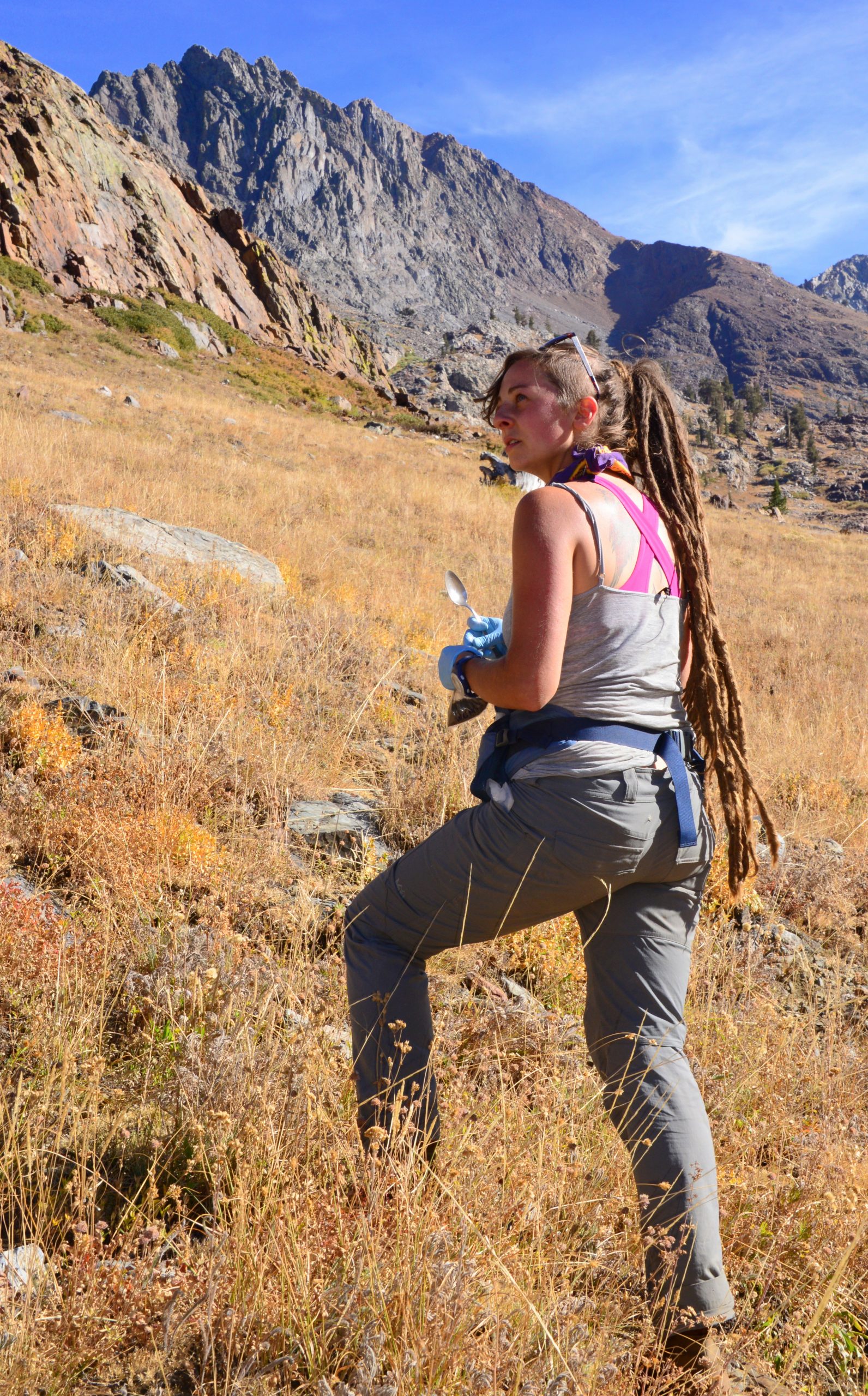
Jillian Myers
is a PhD candidate in the Department of Ecology and Evolutionary Biology at the University of Michigan. She received her Bachelor’s degree, with an Honors Thesis, Synergistic inhibition of the lethal fungal pathogen Batrachochytrium dendrobatidis: The combined effects of symbiotic bacterial metabolites and antimicrobial peptides of the frog Rana muscosa, from James Madison University in 2011. Currently her research interests are ‘all things mycoviral’. As a NSF Graduate Research Fellow studying in the lab of Timothy James, Jill is digging into some basic questions: How common are mycoviruses throughout the fungal kingdom (with particular focus on Chytridiomycota, Blastocladiomycota, and Zygomycota. These groups have been almost entirely disregarded in the mycoviral literature.)? What are the origins of mycoviruses? How do mycoviruses alter the phenotypes of their host fungi?

How did you become a mycologist?

I’m still working on “becoming a mycologist”. However, I started studying fungi when a professor at my undergraduate institution reached out to me, asking if I’d like to work in his lab. At the time I was not yet a matriculated student, and still not totally convinced I wanted to get a Bachelor’s degree. ‘d recently finished an Associates and was “dipping my toe” into higher education by taking one course at a University. I didn’t know undergrads could even do research, but when Professor Reid Harris presented the opportunity to study the frog-killing chytrid, Batrachochytrium dendrobatidis, I knew I wanted in. By reaching out to me, Dr. Harris changed my life, starting me along a trajectory I hadn’t known existed! I think about this a lot. That being said, it wasn’t until joining Tim James’ lab that the big, beautiful world of mycology opened up and I realized I don’t just want to be a scientist or a researcher, but a mycologist!

Who is your mycology role model?

At UMich, we’re surrounded by the legacy of Alexander Smith, and I’m completely amazed by his prolific contributions. I also love hearing stories about his commitment to public engagement- he’s an even bigger man in my mind because of that.

What is your favorite mushroom, and what do you like about it?

I’m really into Chlorociboria right now. I can’t get enough of that color!

What is your favorite characteristic of fungi?

I love that fungi seem to break all the rules. That’s another reason I love fungal viruses, too. Viruses are “supposed” to cause disease, they’re “supposed” to kill their hosts- but not in fungi! Not only does this rule-breaking appeal to my inner teenager, but I think it’s impetus for real scientific progress.

Do you have any interesting stories about field work?

I did field work in the Sierra Nevada range this past summer. At the San Francisco Airport, I was chatting with the agent who was helping me get my rental car to take with me into the field. I told him I was going to the mountains to do some science and backpacking. He stopped typing, turned to look me in the eyes, and said quietly, “Backpacking changed my life.” He told me his life tale of heading down a bad path as a teenager before he was sent away to a wilderness school, which set him right. “And look at me now!” he said, proudly. As he finished my paperwork, he complimented my very long dreadlocks, told me he was going to give me an upgrade, and said, “I’ve got just the thing for you.” The brand-new Volkswagen Beetle (turbo!) he hooked me up with was far from the ideal field vehicle for mountain terrain, but bonding with a stranger over his transformative experience in nature was priceless!

What do you like to do in your free time? What are your hobbies?

I spend most of my free time with my hound dog, Mouse. We do a lot of canoeing together when the Michigan winter isn’t happening. I also enjoy getting crafty with paper or fabric, and enjoying fermented beverages with pals.

Page 6 of 6

Powered by WordPress & Theme by Anders Norén