Author: msastudents

MSA International Travel Awards

header

The Mycological Society of America has announced a competition for four international travel awards ($500 each) to be awarded to MSA graduate students or post-doctoral fellows for travel to attend the IX Latin American Mycological Congress in Lima, Peru from August 22-25, 2017.

To apply for this award, please visit MSA International Awards and follow the procedures for the application. The application deadline is April 10th, 2017.

Postdoctoral Position in Mycorrhizal Ecology and Hawaiian Tropical Forest Restoration

AmendUHMycology

The Hynson Lab at the University of Hawaii Manoa is now accepting applications for a postdoc position focused on mycorrhizal ecology and forest restoration. The recruit will work with an interdisciplinary team of ecologists on a recently funded NSF study aimed at assessing ecological feedbacks across trophic levels, their effects on alternative stable states and restoration of tropical forests. The goals of this project are: 1) advance our understanding of alternative stable state theory as it applies to restoration, 2) evaluate how ecosystem condition is affected by priority effects, multiple potential feedbacks and the presence/loss of key species, and 3) determine whether all potential feedbacks must be addressed simultaneously, or whether manipulation of individual state variables can drive change. Collaborators include Dr. Stephanie Yelenik and Dr. Eben Paxton from USGS Hawaii, Dr. Carla D’Antonio from UC Santa Barbara and Dr. Erin Mordecai from Stanford University. Our lab is specifically interested in the role of arbuscular and ericoid mycorrhizal fungi in abetting native plant establishment and the feedbacks between vegetation type, soil environment, and mycorrhizal fungi.

Applicants should have, or be close to receiving, a PhD in one of the following areas: fungal biology and ecology, molecular ecology, and/or plant ecology. Applicants with experience working with arbuscular and/or ericoid mycorrhizal fungi will be given high priority. Additional minimum qualifications include: a minimum of one peer-reviewed publication in a related field, willingness to perform field work at the Hakalau National Wildlife Refuge on Hawaii Island, effective written and oral communication skills, ability to work well independently as well as part of a team, and relevant laboratory skills including experience with molecular techniques. Desired qualifications include experience with next generation sequencing data collection and analysis, ecological experimental design, modeling and statistics such as network analyses, greenhouse and culturing experience, and involvement in mentoring undergraduate and/or graduate students.

The postdoc will be expected to carry out a portion of the work outlined in our grant, but will also have the option of developing studies within his/her specific area of interest as they relate to mycorrhizal ecology. Pay is commensurate with experience, start date is somewhat flexible, and appointment is for one year with the possibility to extend for an additional year provided acceptable progress. Interested parties should email the following to Nicole Hynson

·      A brief coverletter outlining how you meet the minimum, and any of the desired qualifications.

·      A Current CV with a list of 3 references and their contact info.

Review of applications will begin on February 27th, but the position will remain open until filled. For more information on the Hynson Lab and the University of Hawaii see hynsonlab.com

The University of Hawaiʻi is an equal opportunity/affirmative action institution and is committed to a policy of nondiscrimination on the basis of race, sex, gender identity and expression, age, religion, color, national origin, ancestry, citizenship, disability, genetic information, marital status, breastfeeding, income assignment for child support, arrest and court record (except as permissible under State law), sexual orientation, domestic or sexual violence victim status, national guard absence, or status as a covered veteran.

Mycological Resources

Educational and Entertaining Mycological Blogs and Websites: 

– Lawrence Millman – mycologist and writer. Author of the first book dedicated solely to New England fungi, Fascinating Fungi of New England. Check out his website here.

– The Cornell Mushroom Blog, run by Kathie Hodge, is filled with entertaining and educational posts about fungi. Check it out!

Foreign Names of Mushrooms – is a list of mushrooms found in the US as well as their scientific names and common names in a variety of European and Asian languages.

– Interested in fungi growing on wood? Check out this awesome website.

– Is your mycological journey just beginning? Check out mushroomexpert.com and mushroom-collecting.com for an informative set of guidelines on trees, microscopy, collecting, and more!

–  Mushroom Observer – pictures, lists and finds from all around the world.

– Use Mycokey and RogersMushrooms  for all of your fungus identification and information needs.

Virtual Mycology – Was last updated in 2005, however it still contains a lot of helpful information.

Tom Volk’s Fungi

– Steve Axford – Fungi, the recyclers

– Anything and everything you need to know about mycorrhiza.

– Interested in plant-microbe symbioses? Check out this Scoop It webpage.


Amateur/Professional Mycological Clubs and Societies: 

The British Mycological Society 

Central PA Mushroom Club

Cape Cod Mushroom Club

North American Mycological Association (NAMA) and a complete list of affiliates.

New England Botanical Club (NEBC) 

Torino, Italy Mycological Club 

University of Minnesota Mycology Club 

Boston Mycological Club


Myco-shops:

Death Cap mushrooms earrings

Lots of lichen and mushroom-themed gifts

MSA Skill Share

The MSA Student Section Executive Board is proud to announce a new tool to enable networking and consolidate skills. With your input, the Student Section is building a Mycology Skill Share database. By filling out this simple 10-minute survey, your answers will be entered into a database of information about each student, their lab, and the knowledge and technical expertise in that lab. You can update your skills at any time by accessing the link on the Student Section website.


The Mycology Skill Share database will enable students beginning new projects or learning new techniques to easily contact fellow students and mycologists in specific areas for guidance and/or potential collaboration. We look forward to building this new resource with you, and hearing about the new student symbioses that come of it!

Fill out the Skill Share survey here!

#IAmAMycologist

chrissmyth

We would like to invite you to join our #IAmAMycologist photo contest.  The goal is to promote the diversity of research by our members. Here are the rules: Share a photo of yourself in the field or lab, or a photo of your organism (if you’re not feeling photo-genic) with a caption summarizing your research. Tag it with #IAmAMycologist on Twitter, Facebook, or Instagram. Make sure the post is viewable to the public so we can find your photos. Check out the great shot from our own Chris Smyth!  Students, post-docs, technicians, and faculty are all eligible to participate, the only requirement is that you research fungi! We’ll check for new photos each Thursday until the meeting in Athens (July 16-19th). At the Student Section meeting in Athens, the Student Section Executive Board will vote on the photos, the best two photos will receive some sweet MSA Swag. The top twelve photos will be put together into a MSA Student Section Calendar (we will contact members to obtain high resolution versions of images before we print the calendar).

MSA Scholarships & Awards

screenshot-2017-02-07-at-4-55-38-pm

We would like to remind you that the deadline for MSA Awards is steadily approaching (February 15, 2017), and we strongly encourage you to apply.  The award page with links to applications can be found here.

Student Spotlight February 2017

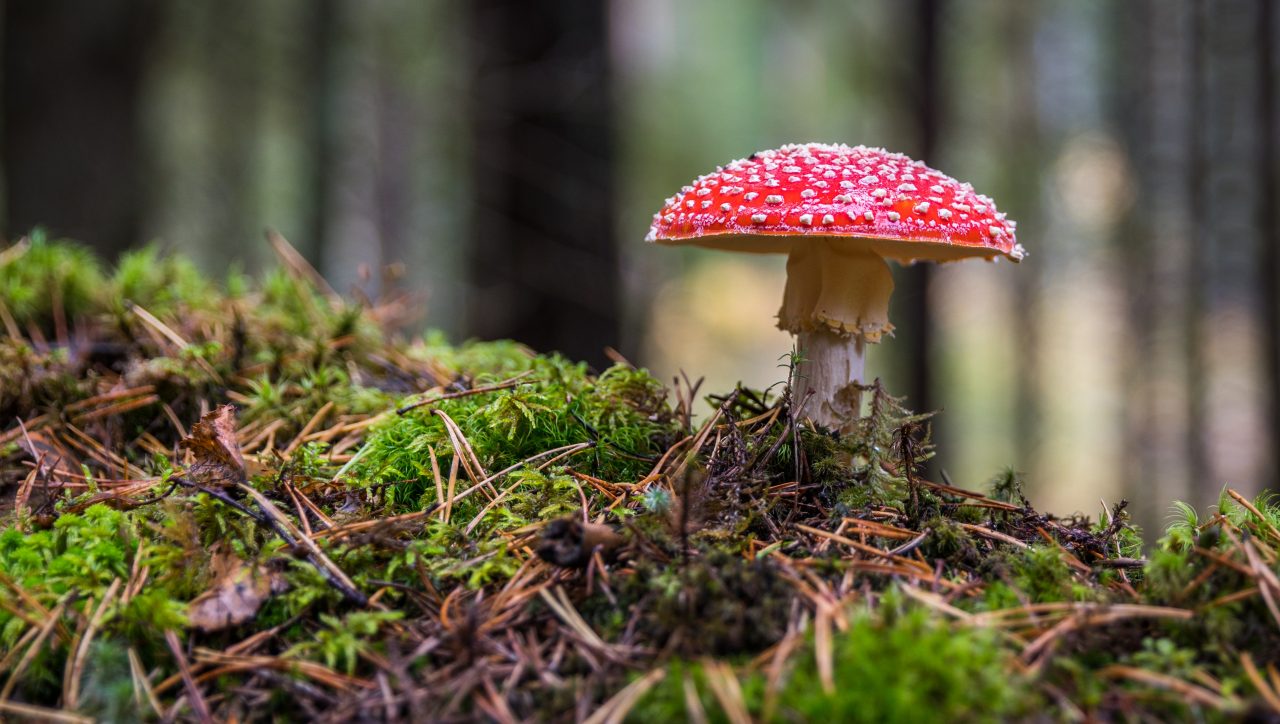
fungi-plant-macro-wallpaper-full-hd

February 2017

We would like to introduce you to two up-and-coming mycologists who are working hard to advance their field:

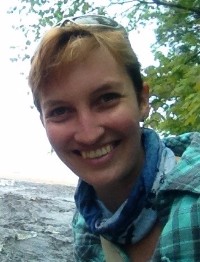
bfd30800-3950-4570-89ee-81f606f34aecKlara Scharnagl is a PhD candidate in the Plant Biology Department at Michigan State University. She grew up in Miami, Florida. She received her Bachelor’s degree from the University of Chicago in 2010, and her Master’s degree from Florida International University in 2013. Klara’s master’s thesis is titled “The effects of arbuscular mycorrhizal fungi on four legume hosts in south Florida pine rockland soils.” Her current research is studying the role of symbiosis as a biotic interaction in driving patterns of biodiversity along a latitudinal gradient, using lichens as my study system. She is comparing a field sampling approach to an herbarium record approach using the Consortium of North American Lichen Herbaria (CNALH) and GBIF online databases to determine gradients of fungal diversity. She has visited 8-10 lowland forest sites in the Americas, and sampled epiphytic lichen diversity on 100 trees at each site. Further, she will select a sub-group of lichens from the field samples to sequence both the fungal and algal partners in order to determine (a) cryptic species diversity, (b) specificity of the fungal-algal association along a latitudinal gradient, and (c) to reconstruct phylogenies to search for latitudinal signatures in diversification events.

How did you become a mycologist?

Ever since I was six years old, on a family camping in North Carolina Smoky Mountains, I have been fascinated by fungi. But it took a lichen internship at the Field Museum in Chicago during my undergrad to decide that I would pursue mycology as a career.

Who is your mycology role model?

Anne Pringle is my role model because she is not afraid to ask and investigate the interesting questions. Her lab has done research across a broad array of fungi and have taken approaches from citizen science to physics.

What is your favorite mushroom, and what do you like about it?

Chlorociboria aeruginascens, because it reminds me of family camping trips in North Carolina, and because it makes that beautiful green-blue stain on the wood it grows on.

What is your favorite lichen, and what do you like about it?

I have many favorites. But one that I like is the fruticose soil lichen, Stereocaulon. It looks like a miniature white shrub on the ground, and many of them have the unique biology of containing both green algal and cyanobacterial symbionts. It is also intriguing to me because it has a lot of cryptic diversity and is in major need of revision. Future project, perhaps?

What is your favorite thing/fact about lichens?

Again, there are so many fascinating things about lichens. The symbiosis itself is one thing I hope to delve deeper into in my research. But one thing I think is really cool is the ability of lichens to live practically everywhere, from the tideline to the tops of mountains, from deserts to lush rainforests, from grasslands in the Western US to interior Antarctica. Interestingly, one of the few places lichens Cannot live is a really polluted city. Talk about great bioindicators!

Do you have any funny or interesting stories about field work?

I cannot tell you how many times I have picked up or even collected poop in the field, thinking that it might be some interesting type of fungus or lichen. Studying lichens means a fair bit of time standing still staring at a tree. This can give you blinders to the world around you, until your focus shifts a bit, and you realize that, in addition to the lichens, you are staring right at a lizard, a large spider, or even a tree viper! Luckily they were just as stunned by the lichenologist as the lichenologist was by them.

What do you like to do in your free time? What are your hobbies?

I love talking about lichens, running workshops on lichens, and making “Lichen Buddies” for kids. In addition to this, I love hiking, running, kayaking, baking and writing poetry. When I have the time, of course!


dsc_9742Jillian Myers
is a PhD candidate in the Department of Ecology and Evolutionary Biology at the University of Michigan. She received her Bachelor’s degree, with an Honors Thesis, Synergistic inhibition of the lethal fungal pathogen Batrachochytrium dendrobatidis: The combined effects of symbiotic bacterial metabolites and antimicrobial peptides of the frog Rana muscosa, from James Madison University in 2011. Currently her research interests are ‘all things mycoviral’. As a NSF Graduate Research Fellow studying in the lab of Timothy James, Jill is digging into some basic questions: How common are mycoviruses throughout the fungal kingdom (with particular focus on Chytridiomycota, Blastocladiomycota, and Zygomycota. These groups have been almost entirely disregarded in the mycoviral literature.)? What are the origins of mycoviruses? How do mycoviruses alter the phenotypes of their host fungi?

How did you become a mycologist?

I’m still working on “becoming a mycologist”. However, I started studying fungi when a professor at my undergraduate institution reached out to me, asking if I’d like to work in his lab. At the time I was not yet a matriculated student, and still not totally convinced I wanted to get a Bachelor’s degree. ‘d recently finished an Associates and was “dipping my toe” into higher education by taking one course at a University. I didn’t know undergrads could even do research, but when Professor Reid Harris presented the opportunity to study the frog-killing chytrid, Batrachochytrium dendrobatidis, I knew I wanted in. By reaching out to me, Dr. Harris changed my life, starting me along a trajectory I hadn’t known existed! I think about this a lot. That being said, it wasn’t until joining Tim James’ lab that the big, beautiful world of mycology opened up and I realized I don’t just want to be a scientist or a researcher, but a mycologist!

Who is your mycology role model?

At UMich, we’re surrounded by the legacy of Alexander Smith, and I’m completely amazed by his prolific contributions. I also love hearing stories about his commitment to public engagement- he’s an even bigger man in my mind because of that.

What is your favorite mushroom, and what do you like about it?

I’m really into Chlorociboria right now. I can’t get enough of that color!

What is your favorite characteristic of fungi?

I love that fungi seem to break all the rules. That’s another reason I love fungal viruses, too. Viruses are “supposed” to cause disease, they’re “supposed” to kill their hosts- but not in fungi! Not only does this rule-breaking appeal to my inner teenager, but I think it’s impetus for real scientific progress.

Do you have any interesting stories about field work?

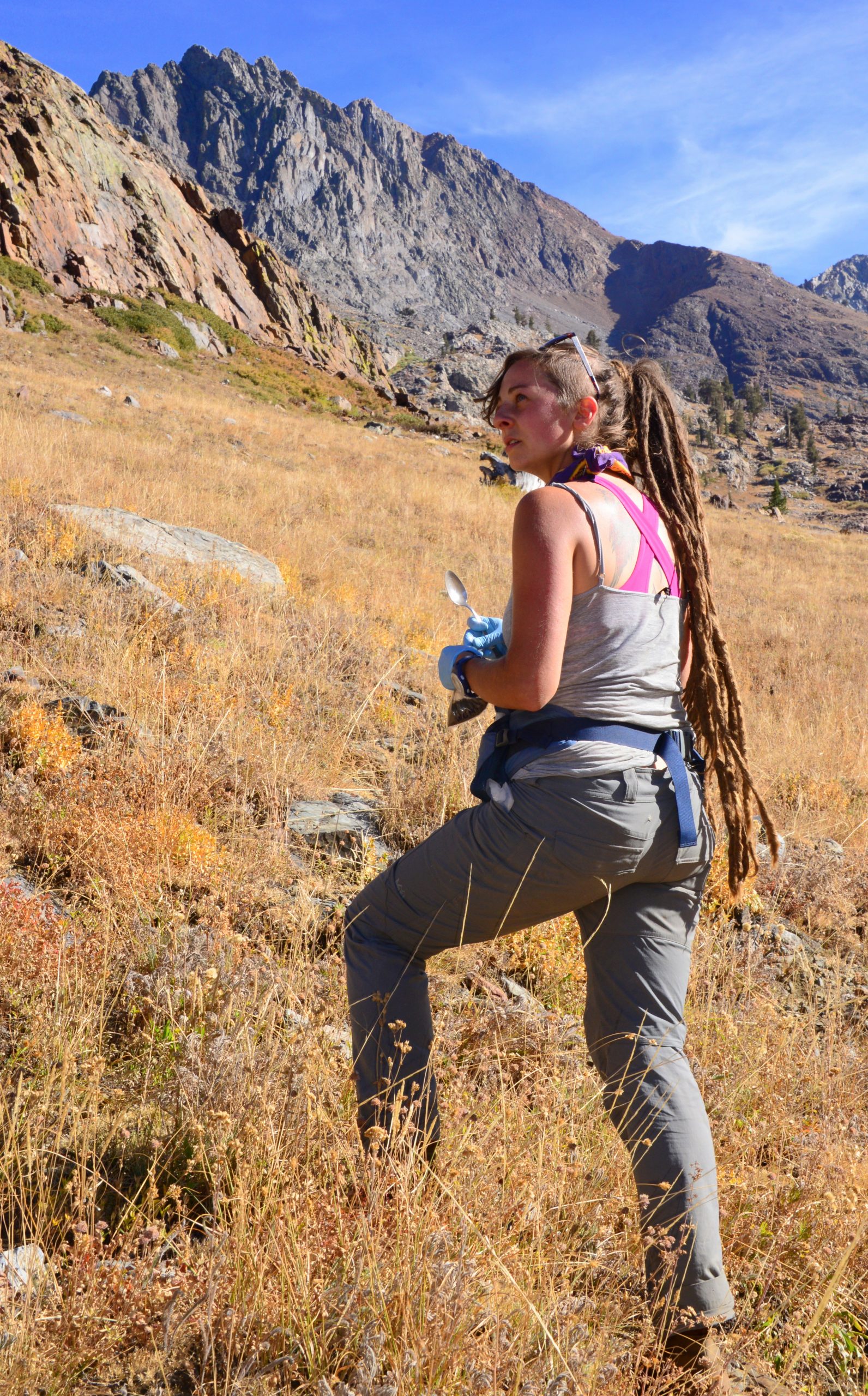
I did field work in the Sierra Nevada range this past summer. At the San Francisco Airport, I was chatting with the agent who was helping me get my rental car to take with me into the field. I told him I was going to the mountains to do some science and backpacking. He stopped typing, turned to look me in the eyes, and said quietly, “Backpacking changed my life.” He told me his life tale of heading down a bad path as a teenager before he was sent away to a wilderness school, which set him right. “And look at me now!” he said, proudly. As he finished my paperwork, he complimented my very long dreadlocks, told me he was going to give me an upgrade, and said, “I’ve got just the thing for you.” The brand-new Volkswagen Beetle (turbo!) he hooked me up with was far from the ideal field vehicle for mountain terrain, but bonding with a stranger over his transformative experience in nature was priceless!

What do you like to do in your free time? What are your hobbies?

I spend most of my free time with my hound dog, Mouse. We do a lot of canoeing together when the Michigan winter isn’t happening. I also enjoy getting crafty with paper or fabric, and enjoying fermented beverages with pals.
Thank you to everyone for their submissions!

Klara Scharnagl

Klara Scharnagl is a PhD candidate in the Plant Biology Department at Michigan State University. She grew up in Miami, Florida. She received her Bachelor’s degree from the University of Chicago in 2010, and her Master’s degree from Florida International University in 2013. Klara’s master’s thesis is titled “The effects of arbuscular mycorrhizal fungi on four legume hosts in south Florida pine rockland soils.” Her current research is studying the role of symbiosis as a biotic interaction in driving patterns of biodiversity along a latitudinal gradient, using lichens as my study system. She is comparing a field sampling approach to an herbarium record approach using the Consortium of North American Lichen Herbaria (CNALH) and GBIF online databases to determine gradients of fungal diversity. She has visited 8-10 lowland forest sites in the Americas, and sampled epiphytic lichen diversity on 100 trees at each site. Further, she will select a sub-group of lichens from the field samples to sequence both the fungal and algal partners in order to determine (a) cryptic species diversity, (b) specificity of the fungal-algal association along a latitudinal gradient, and (c) to reconstruct phylogenies to search for latitudinal signatures in diversification events.

How did you become a mycologist?

Ever since I was six years old, on a family camping in North Carolina Smoky Mountains, I have been fascinated by fungi. But it took a lichen internship at the Field Museum in Chicago during my undergrad to decide that I would pursue mycology as a career.

Who is your mycology role model?

Anne Pringle is my role model because she is not afraid to ask and investigate the interesting questions. Her lab has done research across a broad array of fungi and have taken approaches from citizen science to physics.

What is your favorite mushroom, and what do you like about it?

Chlorociboria aeruginascens, because it reminds me of family camping trips in North Carolina, and because it makes that beautiful green-blue stain on the wood it grows on.

What is your favorite lichen, and what do you like about it?

I have many favorites. But one that I like is the fruticose soil lichen, Stereocaulon. It looks like a miniature white shrub on the ground, and many of them have the unique biology of containing both green algal and cyanobacterial symbionts. It is also intriguing to me because it has a lot of cryptic diversity and is in major need of revision. Future project, perhaps?

What is your favorite thing/fact about lichens?

Again, there are so many fascinating things about lichens. The symbiosis itself is one thing I hope to delve deeper into in my research. But one thing I think is really cool is the ability of lichens to live practically everywhere, from the tideline to the tops of mountains, from deserts to lush rainforests, from grasslands in the Western US to interior Antarctica. Interestingly, one of the few places lichens Cannot live is a really polluted city. Talk about great bioindicators!

Do you have any funny or interesting stories about field work?

I cannot tell you how many times I have picked up or even collected poop in the field, thinking that it might be some interesting type of fungus or lichen. Studying lichens means a fair bit of time standing still staring at a tree. This can give you blinders to the world around you, until your focus shifts a bit, and you realize that, in addition to the lichens, you are staring right at a lizard, a large spider, or even a tree viper! Luckily they were just as stunned by the lichenologist as the lichenologist was by them.

What do you like to do in your free time? What are your hobbies?

I love talking about lichens, running workshops on lichens, and making “Lichen Buddies” for kids. In addition to this, I love hiking, running, kayaking, baking and writing poetry. When I have the time, of course!

Jillian Myers

dsc_9742


Jillian Myers
is a PhD candidate in the Department of Ecology and Evolutionary Biology at the University of Michigan. She received her Bachelor’s degree, with an Honors Thesis, Synergistic inhibition of the lethal fungal pathogen Batrachochytrium dendrobatidis: The combined effects of symbiotic bacterial metabolites and antimicrobial peptides of the frog Rana muscosa, from James Madison University in 2011. Currently her research interests are ‘all things mycoviral’. As a NSF Graduate Research Fellow studying in the lab of Timothy James, Jill is digging into some basic questions: How common are mycoviruses throughout the fungal kingdom (with particular focus on Chytridiomycota, Blastocladiomycota, and Zygomycota. These groups have been almost entirely disregarded in the mycoviral literature.)? What are the origins of mycoviruses? How do mycoviruses alter the phenotypes of their host fungi?

How did you become a mycologist?

I’m still working on “becoming a mycologist”. However, I started studying fungi when a professor at my undergraduate institution reached out to me, asking if I’d like to work in his lab. At the time I was not yet a matriculated student, and still not totally convinced I wanted to get a Bachelor’s degree. ‘d recently finished an Associates and was “dipping my toe” into higher education by taking one course at a University. I didn’t know undergrads could even do research, but when Professor Reid Harris presented the opportunity to study the frog-killing chytrid, Batrachochytrium dendrobatidis, I knew I wanted in. By reaching out to me, Dr. Harris changed my life, starting me along a trajectory I hadn’t known existed! I think about this a lot. That being said, it wasn’t until joining Tim James’ lab that the big, beautiful world of mycology opened up and I realized I don’t just want to be a scientist or a researcher, but a mycologist!

Who is your mycology role model?

At UMich, we’re surrounded by the legacy of Alexander Smith, and I’m completely amazed by his prolific contributions. I also love hearing stories about his commitment to public engagement- he’s an even bigger man in my mind because of that.

What is your favorite mushroom, and what do you like about it?

I’m really into Chlorociboria right now. I can’t get enough of that color!

What is your favorite characteristic of fungi?

I love that fungi seem to break all the rules. That’s another reason I love fungal viruses, too. Viruses are “supposed” to cause disease, they’re “supposed” to kill their hosts- but not in fungi! Not only does this rule-breaking appeal to my inner teenager, but I think it’s impetus for real scientific progress.

Do you have any interesting stories about field work?

I did field work in the Sierra Nevada range this past summer. At the San Francisco Airport, I was chatting with the agent who was helping me get my rental car to take with me into the field. I told him I was going to the mountains to do some science and backpacking. He stopped typing, turned to look me in the eyes, and said quietly, “Backpacking changed my life.” He told me his life tale of heading down a bad path as a teenager before he was sent away to a wilderness school, which set him right. “And look at me now!” he said, proudly. As he finished my paperwork, he complimented my very long dreadlocks, told me he was going to give me an upgrade, and said, “I’ve got just the thing for you.” The brand-new Volkswagen Beetle (turbo!) he hooked me up with was far from the ideal field vehicle for mountain terrain, but bonding with a stranger over his transformative experience in nature was priceless!

What do you like to do in your free time? What are your hobbies?

I spend most of my free time with my hound dog, Mouse. We do a lot of canoeing together when the Michigan winter isn’t happening. I also enjoy getting crafty with paper or fabric, and enjoying fermented beverages with pals.

Page 12 of 12

Powered by WordPress & Theme by Anders Norén